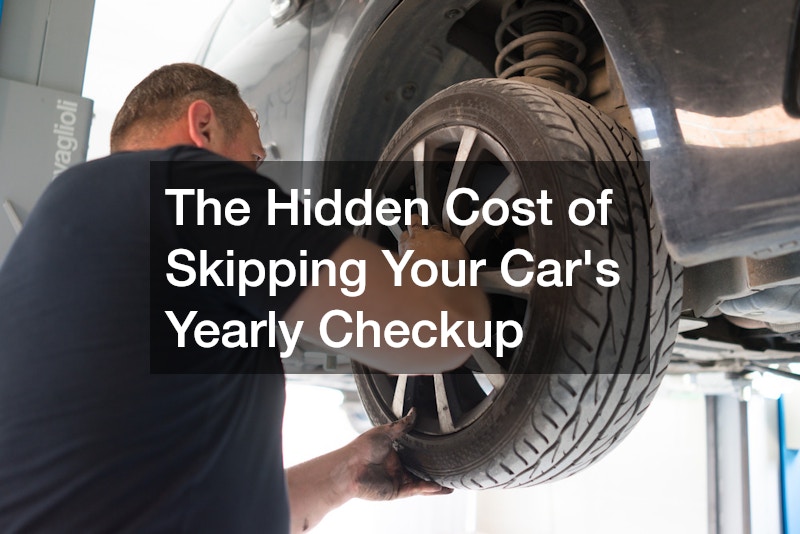
Skipping your car’s annual checkup might feel like a harmless way to save time and money, but that decision often comes with a price tag far bigger than the cost of the appointment itself. Small issues that go unnoticed can quietly snowball into expensive repairs, safety hazards, or breakdowns that leave you stranded. Understanding what a yearly inspection actually catches can help you see why this small investment pays for itself many times over. This article breaks down the real, hidden costs of skipping your checkup and what to watch for instead.
Small Engine Issues That Turn Into Major Repairs
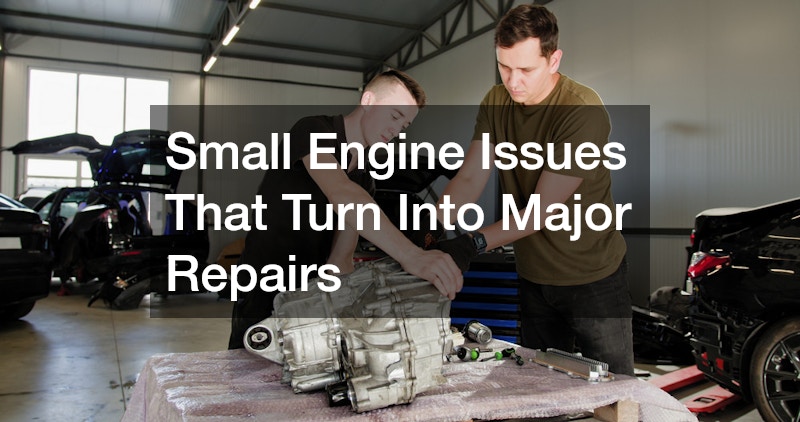
A yearly checkup is often the only time a technician looks closely at belts, hoses, fluid levels, and sensor readings that hint at trouble brewing under the hood. Left unaddressed, a minor oil leak or a worn timing belt can escalate into a situation requiring extensive engine repair, which costs significantly more than the fix would have during a routine visit. Catching these problems early is one of the simplest ways to avoid a five-figure repair bill.
Many drivers do not realize that engines give off warning signs long before they fail completely, such as unusual noises, rough idling, or a slight loss of power. A trained eye during an annual inspection can spot these clues and recommend action before they become emergencies.
- Worn serpentine belts that can snap and cause overheating
- Low coolant levels that lead to warped cylinder heads
- Dirty air filters that reduce fuel efficiency over time
- Early signs of oil sludge buildup
Overlooked Damage From Everyday Driving
Parking lot dings, curb scrapes, and minor fender benders are easy to ignore, especially when the car still drives fine. A hairline crack in the bumper cover or a small dent near the wheel well doesn’t seem urgent, so many drivers let it sit for months or even years.
The problem is that these small imperfections rarely stay small. Temperature swings cause plastic and metal to expand and contract, widening existing cracks, while constant road vibration works dirt and moisture into gaps where rust can take hold. What starts as a $50 fix can turn into a $400 repair once corrosion sets in or the damage spreads to nearby panels.
There’s also a hidden safety angle: modern bumpers often house sensors for parking assist, blind-spot monitoring, or collision warning systems. A cracked or misaligned bumper can throw these sensors out of calibration without any obvious warning light, leaving safety features working with faulty data.
A yearly checkup often includes a visual inspection that catches this kind of cosmetic damage before it becomes structural. Technicians know what to look for, such as stress fractures near mounting brackets or moisture trapped behind trim panels, and can recommend timely bumper repairs before minor damage turns into a bigger, more expensive job.
Every day driving takes a toll in ways many owners never notice. Small stone chips from highway debris, door-edge dings from tight parking lots, and faint scratches from car washes or overhanging branches might seem purely cosmetic, but each one is a potential entry point for moisture. Once bare metal is exposed, rust can start forming in as little as a few weeks, especially in areas with road salt, humidity, or coastal air.
Ignoring minor body damage does not just affect appearance; it can also expose metal to rust and weaken the vehicle’s protective structure. What begins as a surface-level chip can spread beneath the paint, eating away at panels, wheel wells, and even structural components if left unchecked. A yearly checkup gives a technician the chance to catch these issues while they’re still a quick, inexpensive fix.
Addressing these issues early keeps repair costs manageable and preserves the resale value of your car. A $50 touch-up job today can prevent a $1,500 panel replacement a few years down the road. Buyers and appraisers also notice rust spots and body imperfections immediately, often using them to justify a lower offer regardless of how well the engine runs.
Collision Damage That Is Not Always Obvious

Even a low-speed fender bender can cause hidden misalignment in the frame or suspension that is not visible to the average driver. Without a professional inspection, these issues can affect handling, tire wear, and safety long after the visible damage seems fixed. This is one of the main reasons car collision repair should always be paired with a broader safety inspection rather than treated as a purely cosmetic fix.
Insurance paperwork and body shop invoices rarely tell the full story of what happened to a vehicle’s internal components during an accident. A yearly checkup is a good opportunity to have a technician confirm that everything is functioning correctly, especially if repairs were done months or years earlier.
- Uneven tire wear from misaligned suspension
- Steering pulls to one side
- Dashboard warning lights appear after a past accident
- Doors or trunk not sealing properly
Specialty Vehicles Need Specialized Attention
Owners of imported vehicles often assume any general repair shop can handle their car, but foreign models frequently use different parts, software, and diagnostic systems than domestic vehicles. A shop that’s never touched a BMW’s electronic control units or a Subaru’s all-wheel-drive system may misread warning signs or apply fixes designed for American-made cars, which can do more harm than good.
Skipping a yearly checkup with a shop experienced in foreign auto repair can mean problems go undiagnosed simply because the technician lacks the right tools or training. Many specialty vehicles require brand-specific diagnostic scanners that plug into proprietary software, and without them, even a competent mechanic may miss error codes entirely.
This is especially true for European and Japanese brands with unique electronic systems, such as Mercedes-Benz’s air suspension or Honda’s variable valve timing. Metric-based fasteners, specialized fluids, and manufacturer-specific torque specs also mean generic parts or guesswork can lead to premature wear.
Over time, these small mismatches add up, turning a routine oversight into a costly repair that a specialized technician could have caught during an annual inspection.
Hybrids, electric vehicles, diesels, and European imports often require diagnostic tools, torque specifications, and fluid types that differ significantly from what a general shop stocks. A technician unfamiliar with your hybrid’s battery cooling system, for example, might overlook early warning signs that a specialist would catch immediately. This gap in expertise can lead to misdiagnosis, unnecessary part replacement, and wasted money on repairs that never address the actual issue.
It is worth confirming that whoever performs your annual inspection has direct, hands-on experience with your specific make and model, not just “import” or “domestic” vehicles in general. Ask whether the shop uses manufacturer-specific diagnostic software, since generic code readers can miss issues unique to certain brands. For EVs and hybrids, check that technicians are certified to safely handle high-voltage components.
Certifications like ASE L3 (hybrid/electric specialist) or manufacturer-specific training programs are good indicators of real expertise. A few extra minutes of research before booking your checkup can save you from costly guesswork down the road.
The Real Function of a Yearly Vehicle Inspection

A proper vehicle inspection covers far more than checking the oil and topping off fluids. Technicians typically examine brakes, tires, suspension components, electrical systems, and emissions equipment, all of which can develop issues that are not obvious during daily driving. This comprehensive look is designed to catch small problems while they are still inexpensive to fix.
Many states also require inspections for registration renewal, but a thorough annual checkup goes beyond the legal minimum. Skipping this deeper look means you might pass a basic test while still driving a car with hidden mechanical risks.
- Brake pad thickness and rotor condition
- Tire tread depth and alignment
- Battery health and charging system output
- Suspension wear and steering responsiveness
- Exhaust and emissions system function
Paint and Surface Protection Often Get Ignored
While mechanical issues get most of the attention, the exterior of your car also suffers from neglect when annual maintenance is skipped. UV rays, road salt, and debris slowly break down a vehicle’s clear coat, and without protection, paint can fade or develop micro scratches that are expensive to correct later. A yearly checkup often includes a paint inspection that catches these problems while they’re still minor, but skip it long enough and oxidation sets in, leaving a dull, chalky finish that no amount of waxing can reverse.
The damage isn’t just cosmetic, either. Bird droppings, tree sap, and winter road salt are mildly corrosive, and left untreated, they can eat through the clear coat in a matter of weeks, especially during peak summer heat or icy winter months. Once corrosion reaches the base paint, repairs often mean repainting an entire panel, which can cost several hundred dollars per section depending on the vehicle.
Many owners are surprised to learn that auto ceramic coating services can extend the life of their paint and reduce the frequency of costly detailing work. A quality ceramic coating creates a sacrificial barrier that resists UV rays, chemical stains, and minor abrasions, often lasting two to five years depending on the product and application. It also makes routine washing easier, since dirt and grime are less likely to bond to the surface, which means fewer trips to the detailer and less wear from repeated scrubbing.
A checkup is also a good time to evaluate whether your car’s protective coating, whether it’s wax, sealant, or ceramic coating, needs to be reapplied or touched up. Most wax jobs last only two to three months, while sealants can hold up for six months to a year, so annual inspections are often the only chance these get noticed before damage sets in.
Left unchecked, UV exposure, road salt, and bird droppings slowly break down the clear coat, leading to fading, oxidation, and tiny surface cracks that are easy to miss during a quick glance in the driveway. A trained technician can spot early signs of clear coat failure or swirl marks that most owners simply drive past.
Waiting too long often means paying for paint correction instead of simple maintenance. A basic wax treatment might cost $100 to $200, but full paint correction to remove oxidation and deep scratches can run $500 to $1,500 or more, depending on the vehicle’s size and condition. Catching the problem early keeps your car looking newer, protects resale value, and costs a fraction of what a full correction demands.
Interior Wear and the Value of Routine Detailing

Interiors take a beating from sun exposure, spills, and daily use, and skipping regular attention can lead to permanent stains, cracked upholstery, or fading dashboard materials. Bringing your car in for service regularly gives you the chance to have an automotive detailer address these issues before they become permanent. This is particularly important for leather seats and dashboard trim, which degrade quickly under prolonged UV exposure.
Routine detailing during your annual visit also helps you catch small interior problems, like a malfunctioning power window or a failing door seal, that might otherwise go unnoticed until they cause bigger headaches.
Window Tint and Its Role in Vehicle Protection
Window tinting is not just a cosmetic upgrade; it plays a real role in protecting your interior from sun damage and keeping the cabin cooler in hot weather. Over time, tint can bubble, peel, or discolor, and without a checkup, many drivers do not notice until the damage affects visibility. Scheduling auto tinting services during your annual visit ensures any wear is caught early and replaced before it becomes a safety or legal issue.
Some regions have specific legal limits on tint darkness, and a professional applying auto window tinting will know local regulations, helping you avoid fines while still getting the protection benefits you want.
Why a Trusted Repair Shop Makes All the Difference
Finding a shop that offers a full range of auto repair services means you are less likely to face delays or inconsistent recommendations from multiple specialists. A single trusted provider can track your vehicle’s history over time, making it easier to spot patterns and recommend proactive fixes rather than reactive ones. This continuity often saves money because the shop already understands your car’s quirks and maintenance history.
Building a relationship with one reliable shop also means you are more likely to receive honest, transparent advice about what repairs are truly necessary versus what can wait, rather than being upsold on unnecessary services.
Skipping your car’s yearly checkup might save a few dollars and a little time today, but the hidden costs, ranging from expensive engine repairs to safety risks from unresolved collision damage, almost always outweigh that short-term convenience. Regular inspections give you the chance to catch small problems early, protect your investment, and keep your vehicle safe for you and your family. Make this the year you schedule that appointment instead of postponing it, and give your car the attention it needs before small issues become expensive ones.