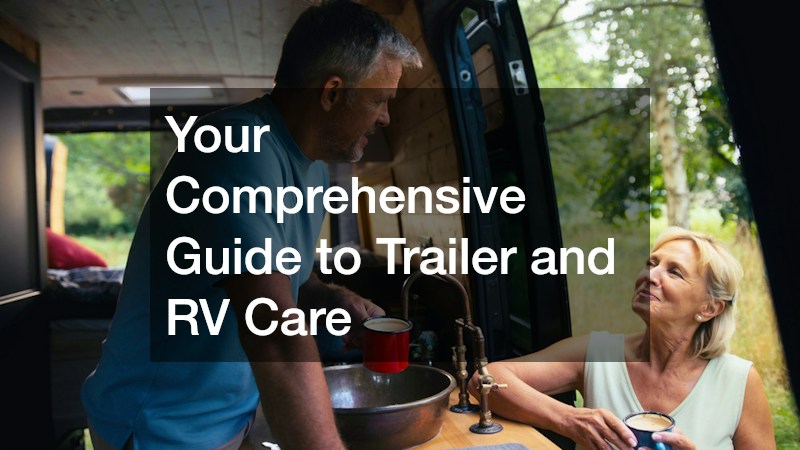
Proper maintenance for trailers and RVs is vital for ensuring a smooth and safe journey on the road. Whether you’re a seasoned traveler or a newcomer to the RV lifestyle, taking care of your vehicle not only enhances its longevity but also prevents unexpected breakdowns and costly repairs. In this comprehensive guide, we’ll explore the essentials of trailer and RV care, equipping you with the knowledge to maintain your home away from home in optimal condition. From routine inspections to seasonal preparations, discover the tips and tricks that keep your travels hassle-free.
1. Essential Tractor Trailer Maintenance
The longevity and performance of tractor trailers are highly dependent on regular maintenance. Addressing fundamental aspects like checking tire pressure and brake functionality can prevent substantial repair needs. Regular inspections help identify potential problems before they develop into costly tractor trailer repairs.
Common issues with tractor trailers often arise from neglect and can include issues with the suspension system and electrical faults. Proactive maintenance practices such as routine inspections and timely replacements of worn-out parts can drastically reduce operational downtime. Maintaining a log of all maintenance activities ensures no crucial aspect of tractor trailer care is overlooked.
Best practices for maintaining tractor trailers include thorough checks of the hydraulic systems and ensuring proper lubrication of moving parts. Using high-quality parts during repairs can improve the trailer’s lifespan significantly. Additionally, well-organized records of repairs and inspections contribute to optimal performance and safety on the road.
2. Purchasing a Pre-Owned RV
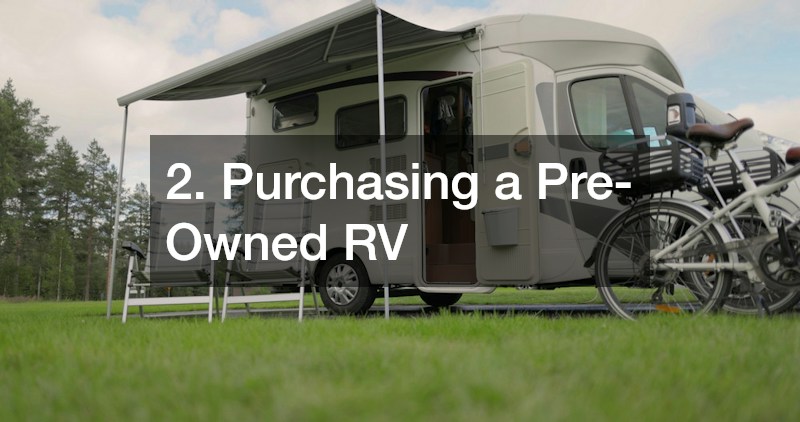
Acquiring a used RV can be a cost-effective way to enjoy the comforts of road travel while avoiding new vehicle depreciation. Critical considerations include verifying the vehicle’s history, its maintenance records, and any past incidents of RV repair. Knowing these details helps prospective buyers make informed decisions and predicts potential future maintenance costs.
When inspecting a used RV, attention should be paid to the condition of all visible and fundamental components, including tires, brakes, and the engine. Carefully examining the interior for signs of water damage or mold is crucial. A test drive can reveal essential insights into its roadworthiness and any immediate repair needs.
Ensuring the electrical systems and appliances function properly is another significant consideration in acquiring a pre-owned RV. Taking the time to check that all the vehicle’s systems operate smoothly can prevent future RV parts and repairs. A qualified mechanic’s evaluation can provide additional assurance of the RV’s condition.
3. Hitching Your Trailer
The choice of trailer hitch plays a pivotal role in the safe and efficient transportation of goods with a trailer. Understanding the different types of hitches, such as gooseneck, weight-distributing, and pintle hitches, allows users to select the most suitable option based on their towing requirements. Each hitch type offers unique advantages and matches specific trailer weights and configurations.
Proper installation of a trailer hitch is critical to ensuring secure connections between the towing vehicle and its trailer. Professional installation services guarantee that hitches are fitted in compliance with safety standards, reducing the risk of disconnection during transit. Regularly inspecting hitch components is advised to prevent wear and avoid mishaps on the road.
Regular maintenance, including tightening loose bolts and lubricating moving parts, prolongs the life of trailer hitches. It is advisable to replace any components that exhibit significant wear or damage. Achieving a balanced load distribution through the correct use of hitch systems enhances driving stability and safety.
4. Advantages of Enclosed Trailers
Enclosed trailers offer a multitude of benefits over their open-surface counterparts, especially in protecting transported goods from environmental conditions. They shield cargo from rain, dirt, and debris, ensuring that delicate items reach their destination in perfect condition. Enclosed trailers also provide enhanced security against theft, as they obscure the contents from view.
The benefits of using enclosed trailers extend to versatility and adaptability for various transport needs, from small hauls to larger loads. They can serve as mobile workshops or storage solutions, accommodating tools and equipment securely. In addition to serving basic transport purposes, enclosed trailers can also be customized to meet specific user requirements.
Effective maintenance of enclosed trailers includes regular cleaning to prevent rust and decay, especially of the exterior surfaces. Routinely checking the integrity of the roof and walls ensures that the trailer remains weather-resistant. Maintaining door seals and locks is vital for preserving the trailer’s security features.
5. Upkeep for Trailer Parts
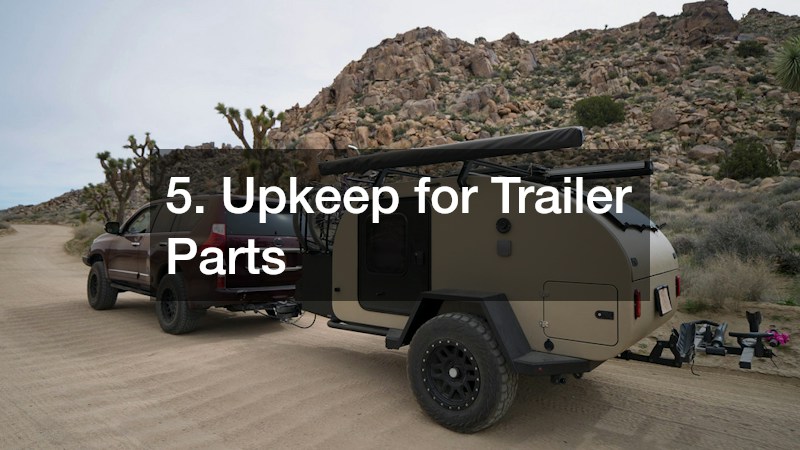
Attention to detail in the maintenance of trailer parts can significantly prevent unexpected breakdowns and extend the vehicle’s lifespan. Components such as the suspension, axles, and wheels require regular checks to work efficiently. Sticking to a maintenance schedule helps catch defects early and mitigate them before they result in hazardous failures.
Essential trailer parts to keep an eye on include the brake system, lighting fixtures, and towing mechanisms. Regularly replacing worn or damaged parts with high-quality alternatives preserves the trailer’s performance. Riders should adhere to manufacturer guidelines and schedules for part replacements.
When replacing trailer parts, understanding the correct specifications and ensuring compatibility are key for maintaining optimum performance. Consulting with professional service providers ensures that parts are installed correctly and that safety standards are met. Proper alignment of new components avoids further wear and damage, ensuring smooth trailer operations.
6. Exploring RV Campsites
Choosing a suitable RV campground is quintessential for an enjoyable RVing experience. Considerations such as amenities, location, accessibility, and natural surroundings help travelers select the best site for their requirements. Reliable hookups for water, electricity, and sewage enhance convenience and comfort during stays.
Respecting campground etiquette is essential for peaceful coexistence with fellow travelers. Maintaining a clean campsite, observing quiet hours, and respecting boundaries all contribute to a positive communal atmosphere. Informing oneself about the specific rules and regulations of a site ensures harmonious interaction with the natural environment and other campers.
The choice of RV campground often determines the extent of exploration and activity opportunities available to travelers. Proximity to attractions, hiking trails, and features of interest can enhance the recreational potential of the stay. Prior planning helps align activities with the offerings of the selected campground.
7. Accessing RV Parts and Repairs
Understanding RV parts and how they contribute to the vehicle’s overall integrity is key to preemptive repairs. Common RV parts that require maintenance include the braking system, tires, and engine components. Regular inspections help identify malfunctioning parts, ensuring timely replacements, and reducing the likelihood of significant issues.
Finding reliable repair services for RVs involves researching providers known for their expertise and customer service. Professional evaluations and repair services ensure that RVs remain in excellent condition and that complex repairs are addressed competently. Establishing a relationship with trustworthy service centers fosters confidence in road readiness at all times.
Access to quality RV parts and repair services directly impacts the safety and comfort of road experiences. Prioritizing regular professional checks helps ensure the functional integrity of an RV. When considering DIY repairs, comprehensive understanding and preparedness invariably affect the outcome and should not be underestimated.
8. Importance of Regular Oil Changes
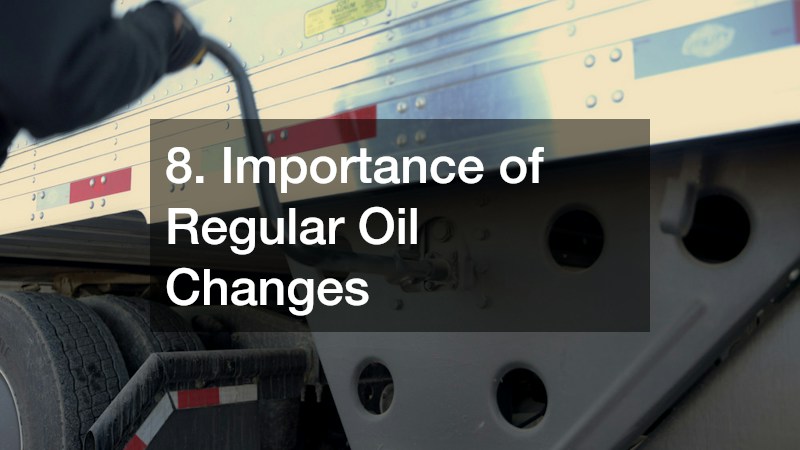
Maintaining regular oil changes is a fundamental aspect of RV and trailer care, ensuring engine cleanliness and peak operational efficiency. Oil changes help maintain proper lubrication, reducing engine wear and preventing overheating. Choosing the correct oil type and adhering to recommended change intervals vastly improves engine longevity.
The importance of regular oil changes for RVs doubles with their unique demands compared to standard vehicles. Trailer engines cater to heavy loads which necessitate frequent checks and maintenance. Given the wear due to road conditions and extended travel, consistent oil change schedules are indispensable.
Deciding between DIY oil change services and professional alternatives depends on one’s comfort level and knowledge of vehicle maintenance. Professionals guarantee efficient services using suitable tools and materials, ensuring engine health. DIY enthusiasts must be adequately informed to achieve comparable results safely and effectively.
9. Comprehensive Auto Maintenance
Exploring comprehensive auto services available for RV owners reveals opportunities to enhance their travel experiences. Services spanning engine diagnostics, tire replacements, and transmission repairs cater to maintaining uninterrupted RV functions. These specialized auto services help tackle the unique operational challenges faced by RVs.
How auto services differ for RVs and cars largely stems from size and equipment onboard RVs. Complex systems like plumbing, electricals, and the larger framework necessitate additional expertise during maintenance. Understanding these differences enables RV owners to approach maintenance and repairs with accurate expectations.
Professional auto services present dependable solutions to ensure smooth and worry-free RV journeys. Tailored packages addressing specific RV needs like winterization, storage, and summer readiness optimize their utility throughout the year. Comprehensive service plans benefit RV owners through directed support and system longevity.
10. Addressing RV Repairs
Identifying common RV repair needs encompasses routine and spontaneous issues that emerge during use. Problems ranging from faulty electrical wiring to plumbing leaks demand decisive action to prevent further complications. Experienced RV owners remain vigilant for calls of repair, maximizing their vehicle’s service life.
Deciding between DIY RV repairs and professional services requires weighing factors like skill level, repair complexity, and cost considerations. Minor repairs such as seal replacements can often be handled by established owners familiar with parts and tools. Despite this, consulting experts for electrical and mechanical matters ensures safer and more reliable results.
Strategies including extensive research, planning, and practical workshop knowledge fundamentally aid in addressing RV repairs independently. Resources like manuals and online forums widen the information pool available to DIY enthusiasts. Professional services remain unrivaled in offering guarantees and leveraging industry-specific methods to address intricate repair needs.
11. Utilizing Maintenance Tools
Equipping oneself with the essential tools for trailer and RV maintenance greatly enhances preparedness for regular and emergency upkeep. Instruments like wrenches, multimeters, and tire pressure gauges allow owners to address simple tasks swiftly. Accumulating fundamental tools minimizes the need for professional services over minor issues.
Advanced equipment allows enthusiasts to pursue efficient repairs, even for more complex maintenances. Items such as hydraulic jacks and torque wrenches cater to intricate tasks that demand precision and skill. Preparedness with these tools can impart significant savings and promote independent problem-solving.
Regular upkeep and tool maintenance ensure they remain functional when needed. Systematic organization and proper storage of tools expedite acquiring necessary items during time-sensitive repairs. The investment in quality tools rewards increased longevity and the capability for more advanced repair tasks.
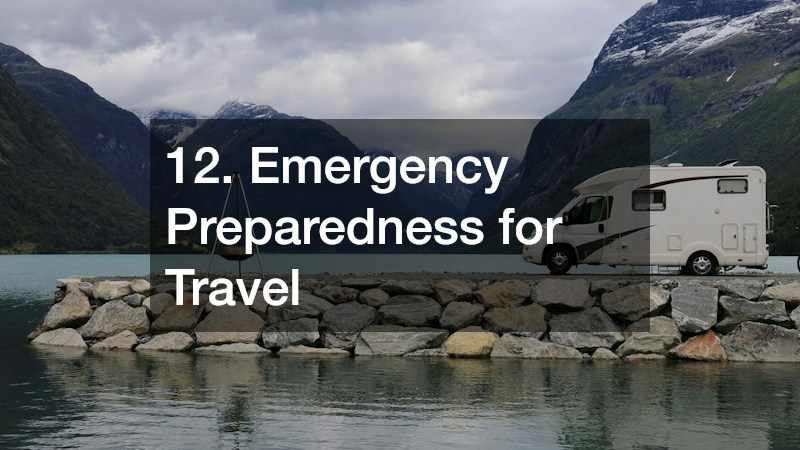
12. Emergency Preparedness for Travel
Creating an emergency kit for trailers and RVs covers critical scenarios that drivers may encounter on the road. Kits include medical supplies, backup power options, and basic repair tools to ensure preparedness for diverse situations. Planning for different scenarios fosters confidence during long trips.
Handling emergency situations on the road often calls for calmness and swift response using pre-prepared kit contents. Understanding how to utilize emergency items, such as first aid materials, directly assists in any unfolding contingencies. Emergency protocol preparation includes knowing safe locations, routes, and service contacts en route.
Being resourceful and informed makes a remarkable difference in the outcomes of emergency occurrences. Remaining aware of emerging weather patterns and vehicular noises allows anticipation of potential risks. Encouraging travel companions to familiarize themselves with emergency steps promotes group safety and cohesion.
13. Tips for Extended Travel
Ensuring comfort and safety during long trips involves detailed planning and thorough vehicle preparation. Emphasizing the inspection of vital systems such as brakes, tires, and fluid levels minimizes breakdown risks. Comfort on the road is elevated with careful packing of essentials, food, and entertainment options.
Planning for extended travel adventures encourages exploring multifaceted aspects of RVing—from destinations to en route activities. Flexibility to adapt to conditions or spontaneous interests enriches the travel experience. Factoring in rest days or contingencies ensures recovery from possible travel fatigue or unforeseen events.
Regular intermissions during long drives help prevent driver fatigue, maintaining focus and ensuring safety for all passengers. Enriching experiences through local exploration yields cultural appreciation and learning opportunities. Compiling a checklist for each trip ensures all equipment is functional and travel plans clear.
Conclusion
In summary, maintaining your trailer or RV is not only essential for ensuring the longevity and reliability of your travels, but it also plays a crucial role in enhancing safety and performance. Throughout this guide, we covered the fundamental aspects of trailer and RV care, including regular maintenance checks, cleaning, and the importance of timely repairs. By adhering to these guidelines, you can avoid costly damages and enjoy worry-free adventures. Remember, a well-maintained trailer or RV contributes to a more pleasurable and secure journey, allowing you to focus on creating cherished memories on the road.